






Birth Control (Contraception)
Overview
There are many ways to prevent pregnancy. Let's look at some options.
Condoms
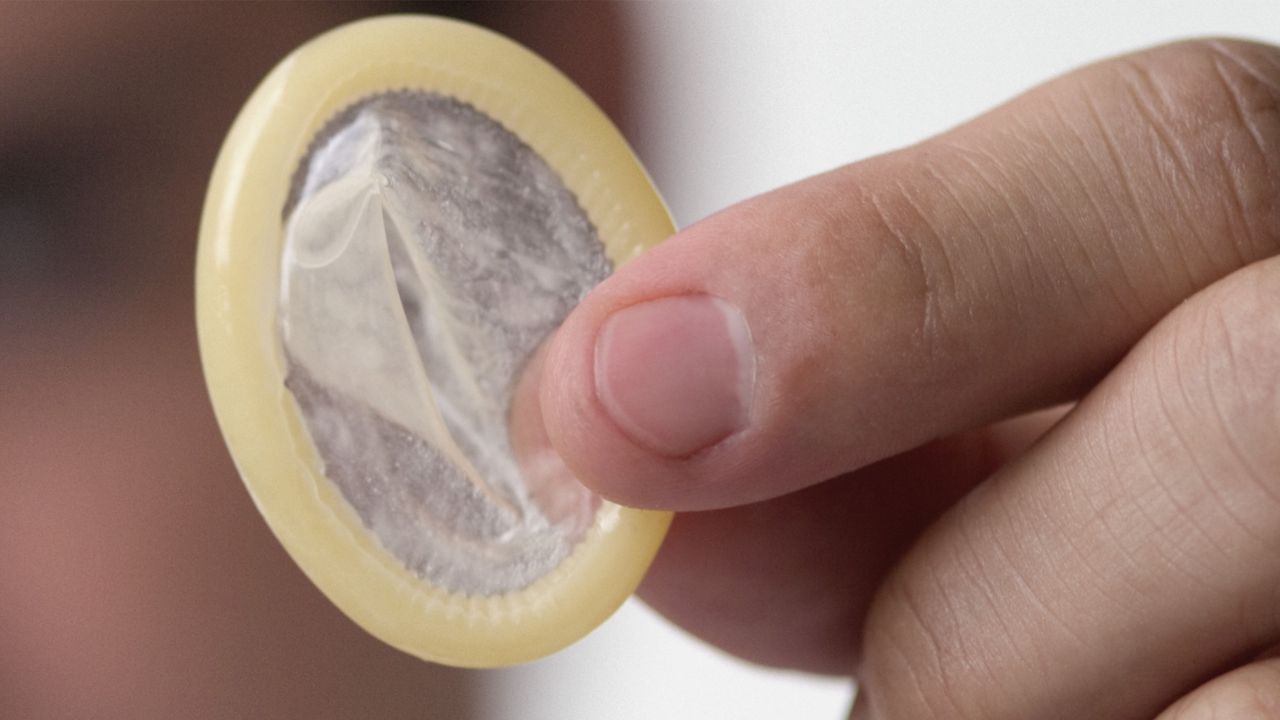
First, you can use a barrier to stop sperm from reaching an egg. A condom is one type of barrier. There are condoms for men and for women. A male condom fits over the penis. A female condom is a sheath that fits inside the vagina.
Other mechanical barriers
Other barriers cover the cervix. That's the lower part of a woman's uterus, which has an opening for sperm to enter and find an egg. Diaphragms, cervical caps, shields and contraceptive sponges are barriers. Along with them, we can use spermicide. It's a chemical barrier that stops or kills sperm.
Intrauterine devices (IUDs)
Another option is an intrauterine device. We call it an "IUD." It's put in a woman's uterus by a doctor. It keeps sperm from fertilizing eggs.
Hormonal contraceptives
We also use hormones to prevent pregnancy. They regulate a woman's ovulation cycles. "The pill" is a hormone contreception. It's actually a series of pills a woman takes every day. Hormones can be given with injections too. And they can be released by a patch worn on the skin, a small implant put under the skin, or a ring put inside the vagina.
Emergency postcoital contraception
There are also types of emergency contraception that a woman can use soon after sex. These include special pills or IUDs.
Sterilization
And finally, we can prevent pregnancy with surgery. For women, we block or cut the fallopian tubes. For men, we cut the tubes that carry the sperm out of the testicles. For more information, talk to your doctor.
- General Healthcare - Reproductive Health - Care and Management
- OB/GYN - Gynecology - Care and Management

Leave a comment